
Craps Any Seven Explained for Australian Players
Online craps any seven explained is less about superstition and more about understanding what the dice actually do. The pass line gets the attention, but the seven is the heartbeat of the table, and players in Canberra and across Australia often sit down without knowing why the number matters so much. When you are playing on a phone at lunch or during a quiet arvo, the difference between a random wager and a deliberate bet comes down to odds, pacing, and the way the interface presents the layout. This walkthrough keeps the focus on how a player actually encounters the any-seven side bet, what the screen shows, and how to read the table without chasing noise.
Reading the Any-Seven Bet on a Mobile Table
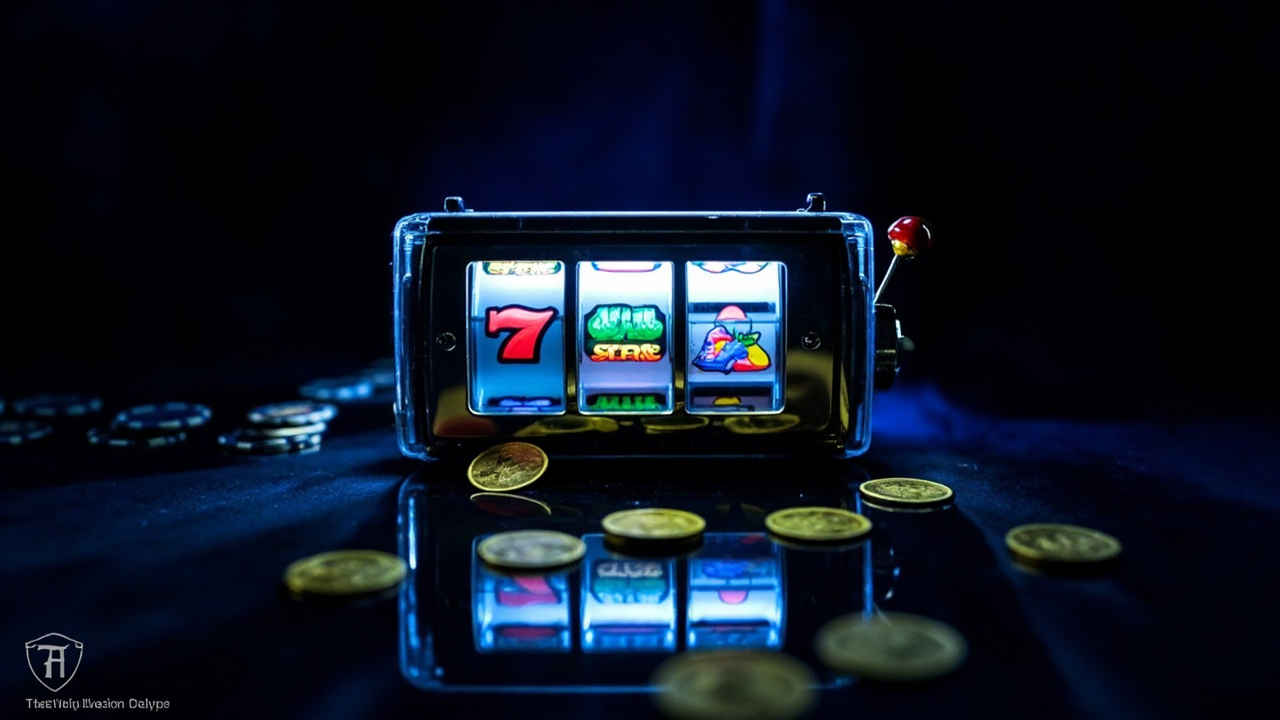
When craps any seven explained properly, the first thing to notice is that the bet sits outside the main pass line action and pays out on a single roll. The probability of rolling a 7 with two dice is 1 in 6 – the most likely single total – which is why the house price on this wager is steep and the screen usually shows the payout clearly before you tap. On a well-built mobile table, the any-seven chip sits near the centre of the layout, the bet button is thumb-friendly, and the balance updates without a lag that would make you second-guess your timing. The experience is different from a desktop view because the columns compress, so a good operator keeps the bet labels legible and the roll button obvious rather than burying it behind menus.
From a commercial angle, the any-seven side bet is a pace setter for the table rather than a route to long-term edge. Operators that design for mobile-first fit tend to keep the bet visible, limit accidental double-taps, and show the current round status so you know whether the dice are live or waiting. That matters in a market where players compare apps as much as sites, and a clunky interface can turn a simple wager into a frustrating session. If you are weighing where to sit down, the practical test is whether the any-seven bet is easy to find, the payout is shown before you commit, and the roll history is readable on a narrow screen. For a closer look at how payout structures work in craps and what matters for the player, see how craps payouts are structured. jackpotjill login real money
In practice, the bet is simple to place but easy to overplay because the seven arrives often enough to feel tempting. A sensible session keeps the stake small relative to your bankroll, treats the any-seven wager as a short-lived side action, and uses the main line for the slower rhythm of the game. The interface should let you adjust the amount in increments that make sense, not force you through a long slider every time. When the screen responds quickly and the bet is obvious, the experience feels controlled; when it does not, the same wager can feel like a distraction. That difference is what separates a table you return to from one you close after a few rolls. Players who want to compare a live operator’s setup can start from the jackpotjill login real money page and check how the table loads on a phone before committing any funds. Newskyaward
What the Numbers Mean at the Table
The any-seven bet is a one-roll proposition, which means the outcome is decided the moment the dice settle and the screen confirms the result. Because the seven is the most likely total, the bet lands more often than many proposition wagers, but the payout is set to reflect that frequency and the house edge that comes with it. A clear table explains the price up front, shows the rolling round, and avoids clutter that would make the maths harder to follow. For a player, the useful habit is to watch how often the seven appears in a session and to treat the bet as a short-term action rather than a pattern you can predict.
Macau, Singapore and the Philippines form Asia’s big casino markets, and the way those markets handle proposition bets is a useful comparison for Australian players thinking about pace and display. The comparison is not about regulation or availability here, but about how a crowded table can obscure the simple maths of a single roll. In a busy session, the any-seven wager can feel like a quick thrill, yet the responsible approach is to keep the stake modest and the session bounded. Setting time and money limits is the core of responsible play, and that discipline matters more than any single roll because it keeps the game in the realm of entertainment rather than a chase. Blake Nelson, Senior Market Analyst, Flinders Interactive Group, has noted that proposition bets like any-seven are best read as entertainment pricing, not as a strategy to beat the table, which is a fair caveat for anyone treating the wager as a side action.
A short checklist helps keep the bet in perspective:
- Know it is a one-roll wager decided by the next settle.
- Check the payout on the screen before you tap the chip.
- Keep the stake small relative to your session bankroll.
- Use the main line for the slower rhythm and the any-seven bet for occasional action.
That framing keeps the maths visible and the session steady, which is the point of reading the bet correctly in the first place.
Session Flow, Limits and Mobile Fit
A practical session starts with the layout loading cleanly, the any-seven bet sitting where you can reach it without hunting, and the stake controls feeling natural on a touch screen. The best mobile fit is not about flashy graphics but about responsiveness: the balance updates promptly, the roll button is obvious, and the bet confirmation is hard to miss. When the table is built with mobile-first fit in mind, the any-seven wager becomes a quick, deliberate action rather than a fiddly one, and that matters on a commute or during a short break. Performance on a phone is where many operators show their hand, because a slow interface turns a simple bet into a waiting game.
Payments and registration should be straightforward enough that you are not fighting the app while trying to place a wager. A sensible operator keeps the currency clear, shows the stake before you confirm, and makes the limit controls easy to find rather than hiding them behind layers of menus. Support and loyalty features are secondary to the table itself, but they still shape whether a session feels smooth or scattered. The key judgement call is whether the any-seven bet is presented as a clear side action with readable odds and a clean roll history, or whether the screen buries the detail under clutter. If you are comparing options, the practical test is whether the table feels calm on a phone, the bet is easy to place, and the session limits are visible before you start.

In the end, craps any seven explained comes down to a simple habit: treat the wager as a short-lived side action, read the payout before you commit, and keep the session bounded by limits you set in advance. The seven will keep arriving because the maths says it will, and the game is most enjoyable when the bet is used with that reality in mind rather than as a promise of something more.